Developing students’ creativity through listening,
reading, writing and games
at English lessons
Astana city
School-gymnasium № 63
Teacher of English
Khussainova R.S.
Tomorrow’s time
has come and
today’s young generation
dictates future perspectives. They demand interesting , new innovations and we must not be
left behind. It is time to be
the best teachers possible.
Every child
is born with the potential of being creative. Creativity is a crucial aspect of
any personality. It helps to analyze things in diverse and uncommon way.
Creativity does not just happen; it needs to be cultivated, and the cultivation
of creativity in every kid starts from the classroom. You may often be teaching
a class which has students who are clearly of different levels. They may have
different starting levels of English or they may learn at very different speeds
- for any number of reasons.
Creativity can be promoted or
cultivated and here is the list of strategies that can help teachers to promote
or cultivate creativity in the classroom. Many researches show that creativity can be
cultivated best through emotional contacts. For instance, if teachers give
project to the students related to community problems like domestic violence.
It can help in sprouting creativity because of the human touch and hence
emotional connection in it. 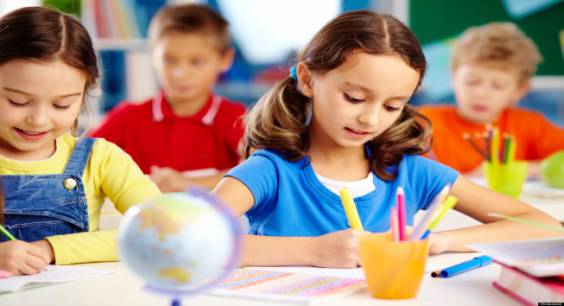
Classroom environment plays a crucial role in cultivating creativity and
confidence in students. Teachers can make classroom environment where each
student’s voice matters a lot. Getting involved with the students in the
community is the best way to give push to their creativity. Here how teachers
can make classroom environment more effective for their students.
·
Permit frequent discussion and interaction amid students in
the classroom.
·
Make time for informal class opportunity for the students.
·
Memorize each student’s name meanwhile ensure every student
knows everyone’s name.
You can use various models to promote creativity in the students. A perfect model can help in:
·
Establishing connection amid the students' real lives and classroom.
·
Inspire innovation and create chances to resolve novel issues.
·
Lookout ways to spread learning prospects at classroom and home.
How we know, foreign language learning, like
other subjects, is part of the overall development of all students. Through learning a foreign language, the
students can enrich their experience of life, broaden their world vision, and
enhance their thinking skills. Language
learning is most effective when students' interest, motivation and attitudes
are taken into consideration.
Evaluation should be summative and formative. It should be carried out
in terms of what students can do rather than what they cannot do. 
Components
that can reproduce
students’ abilities :
The process of studying interactions in the group:
-to use various
schemes and tables;
-to use various types
of reading and listening;
-to develop written language;
- to train to make dialogues.
To use
active methods of
studying :
-projects` methods;
-work with Computer
Technology.
Problematic exercises:
-summary reports;
-projects;
-games;
- presentation;
- tests
Using games, which is communicative
in essence, are often considered effective in developing students’
communicative ability.
From my point of view, like most skills, creativity is best learned by doing. Kids don't learn how
to be creative by sitting in lectures about the creative process, or getting
history lessons on Kazakh innovation. Rather, they learn how to be
creative by creating things, by flexing their own imagination. Creative people are ones who
make a decision: They decide to buy low and sell high in the world of ideas. The most powerful
way to develop creativity in your students is to be a role model. Children
develop creativity not when you tell them to, but when you show them.
Development of students’s abilities
through reading, writing, speaking and games
is a key component in training students in foreign languages. Different
activities and interactive methods give students practice in using the language
and results in greater knowledge. The teacher`s role in the classroom is to be a facilitator and
the students should be the central focus.